To lose our home: youths in the face of the climate crisis
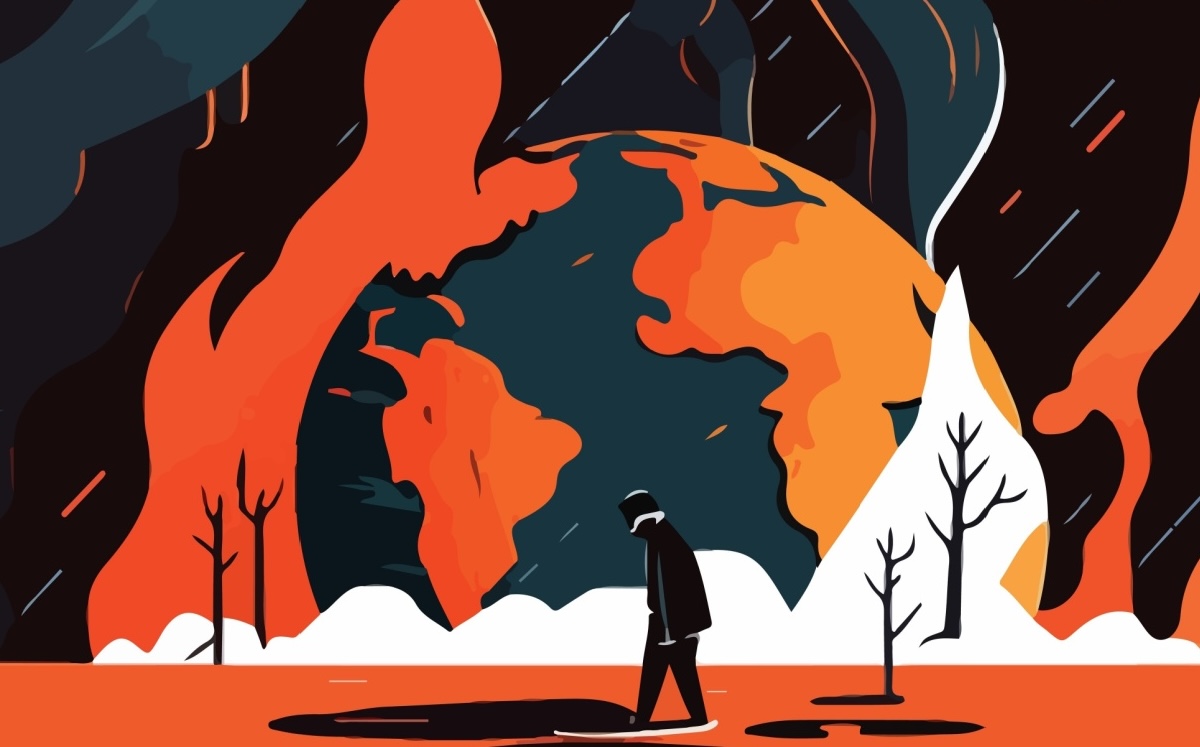
Climate anxiety is a challenging emotional response in face of the planetary crisis.
Image: Shutterstock
As we leave behind a challenging year for the international environmental movement, the prospects for resistance in the face of the planetary crisis seem bleak given the complex geopolitical landscape we are navigating, creating a powerful sense of emotional exhaustion and discouragement. These feelings are known as climate anxiety or eco-anxiety; they primarily affect young people and are described by the organization Sustaining All Life as a “challenging emotional response to climate change and other environmental problems.” These problems are too abstract, ubiquitous, and structural for us to solve as individuals, and even when they do not directly affect us, our empathy makes us feel them personally.
We must recognize that eco-anxiety is not considered a disease, but rather a rational response to the reality of climate change that arises from our empathy; however, it is also an emotional state that can be severe and affect mental health. In general, anxiety is a normal and useful emotion; positive psychology views it as a future-oriented mental state resulting from a difficult challenge for which one lacks sufficient skills, triggering our “fight-or-flight” response, and is associated with feelings of fear, anger, exhaustion, helplessness, and hopelessness.
Eco-anxiety encompasses a range of feelings in response to current and anticipated situations: ecological grief arises from the loss of species, ecosystems, glaciers, and so on. Other related feelings include eco-guilt over failing to meet personal or social standards, and ecological anger, which is frustration directed at groups or institutions due to inaction or environmental changes.
A particularly strong and existential feeling is solastalgia, which is distress caused by the transformation and degradation of the environment or home surroundings — since this is the space where we grow up and live, it forms an integral part of our identity. This is particularly pronounced in Indigenous communities, whose worldview is deeply rooted in their territory, and who experience the degradation of ecosystems firsthand.
The problem with eco-anxiety is that it can lead to inaction and be paralyzing in an effort to avoid conflict — an “ostrich” response, that is, pretending it doesn’t exist — which leads to doomerism, a fatalistic attitude in which it is no longer worth doing anything. These fatalistic responses only benefit the fossil fuel industry, which would prefer to see its potential adversaries prostrated and unable to stand up to them.
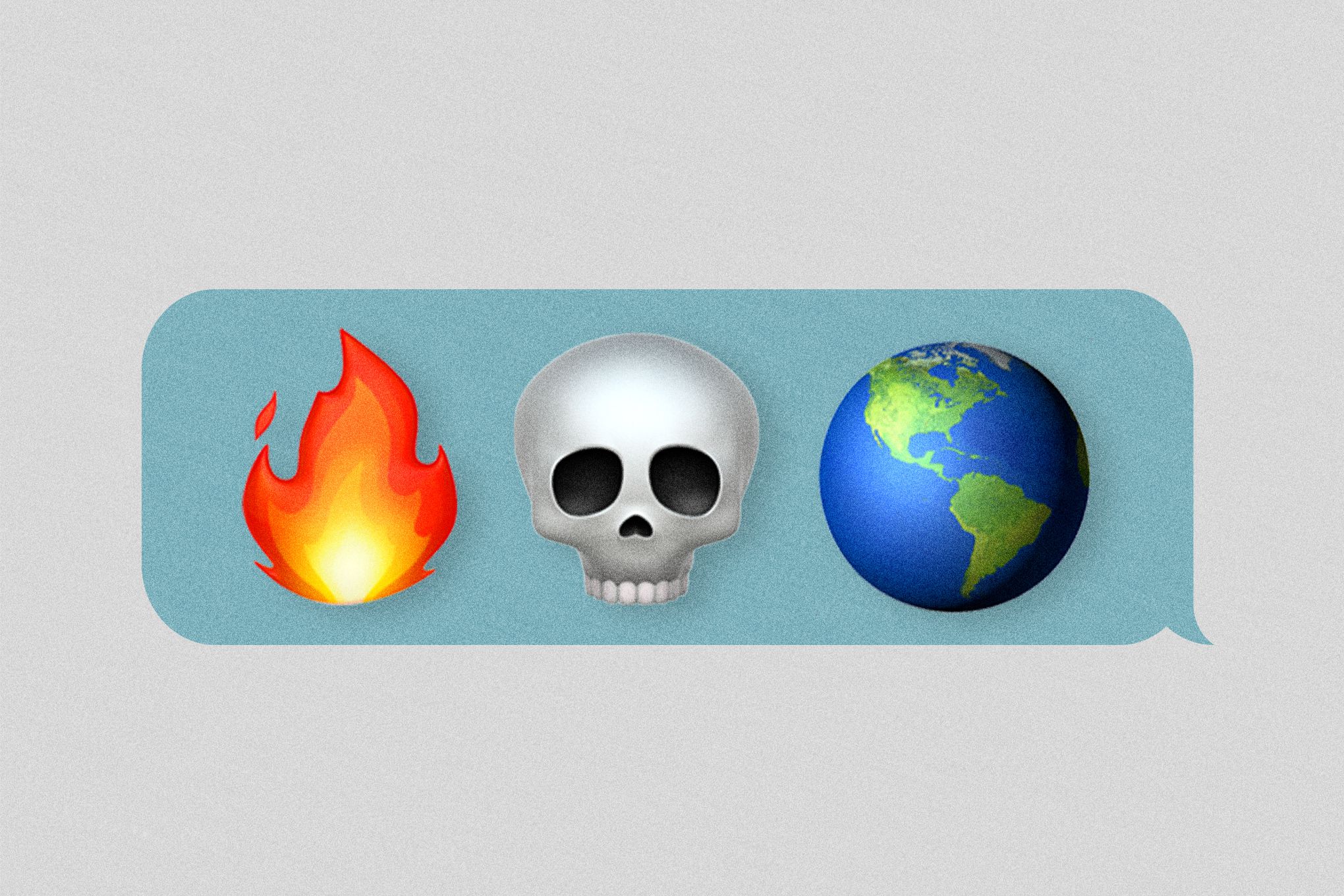
Climate doomerism only benefits those who want everythin to remain the same.
Image: The Washington Post.
The response to and treatment of eco-anxiety begins with the recognition that it is not a mental health disorder. Traditional psychological treatment is not designed to address collective trauma on a global scale, so many solutions stem from non-clinical collective approaches (which draw on elements of traditional medicine, such as family therapy using psychedelic mushrooms) that aim to build communities where support networks are established to share our feelings and thoughts.
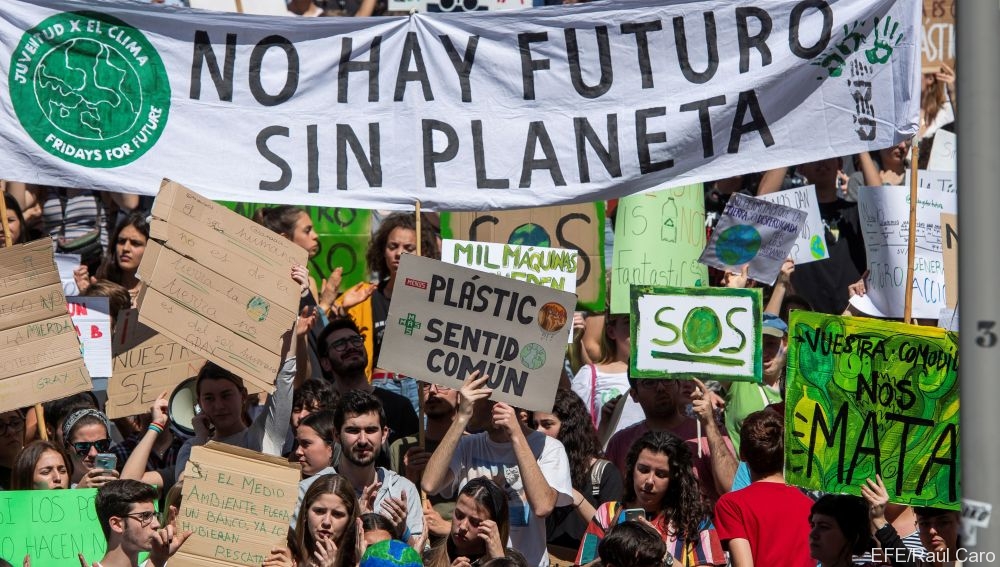
Collective climate action allows us to talk of our worries and to take actions that have an impact on socitety.
La acción climático colectiva nos permite hablar de nuestras preocupaciones y realizar acciones que pesen en la sociedad.
Photo: EFE
An important part of the solution is turning paralysis into action, where individual actions — though they may seem like a drop in the bucket on their own — empower us as we see changes in our surroundings and inspire others to follow suit. However, the real leverage we have as citizens lies in the collective nature of our actions and in activism to demand systemic change. Together, we are a force comparable to the interests that have created and perpetuate this global crisis. That is why, as we begin this year 2026, we must talk more among ourselves about the concerns that trouble us and demand and act more collectively to move toward the future we desire.
Article translated from Spanish with DeepL, proofread by a human
Article published originally in Spanish in the Izcalli Times